
Customer-facing product
Give users convenient mobile access to services and data.
FLUTTER / APP
We design the mobile product together with its server-side environment: interface, data, authorization, integrations, builds, and operation.
Starting price from 3 000 000 ₸
01 / Business Challenges
We first define a valuable business outcome, then select the solution scope and tools.
Give users convenient mobile access to services and data.
Support field and internal operations on a work device.
Synchronize the application with the API, roles, and business rules.
Add notifications, camera access, geolocation, or local storage where justified.
02 / Scope of Work
The final scope depends on the challenge. Before work begins, we define what is included, where the boundaries lie, and how the result will be accepted.
User flows and UX
Flutter for Android and iOS
Authorization, roles, and local data
Server-side API and integrations
Push notifications if required
Build testing
Publishing preparation and support
03 / Process
Each stage ends with a clear result and a decision on the next step.
Define the users, screens, server-side data, and platform capabilities.
Create the navigation and prototype to resolve disputed decisions before development.
Connect the Flutter interface, API, authorization, and device capabilities in stages.
Test builds, address issues, and support the agreed publishing process.
04 / Estimate
We set the timeframe after defining the screens, platform capabilities, API, and publishing requirements. Development is divided into demonstrable versions.
We build Android and iOS applications with a shared codebase, API integrations, and a thoughtfully designed user experience.
from 3 000 000 ₸per projectTimelines apply to the starting scope. The schedule is agreed after the brief and materials are confirmed. Complex integrations and additional modules are priced separately.
05 / Projects
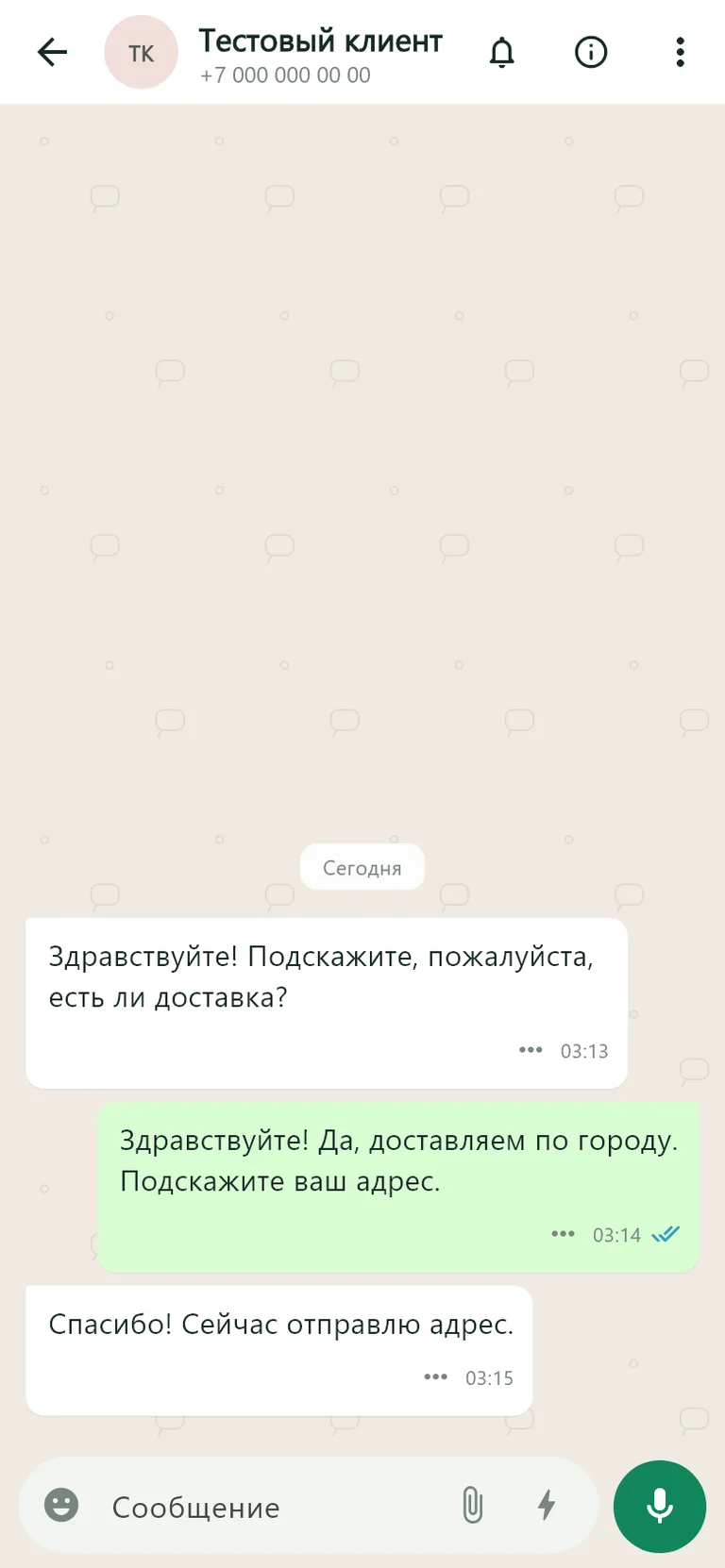
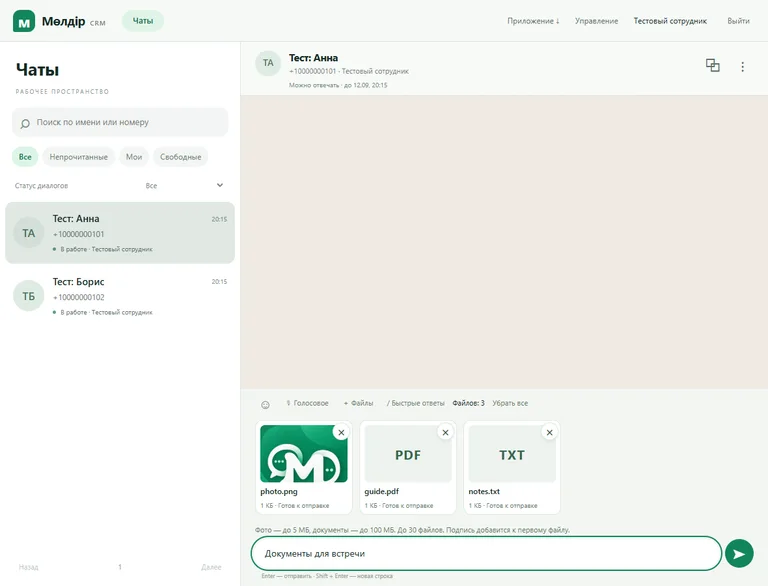
CRM · Android · Website
Customer conversations in one CRM and app.
An education website, web CRM and Android app for a team handling WhatsApp enquiries.
View case study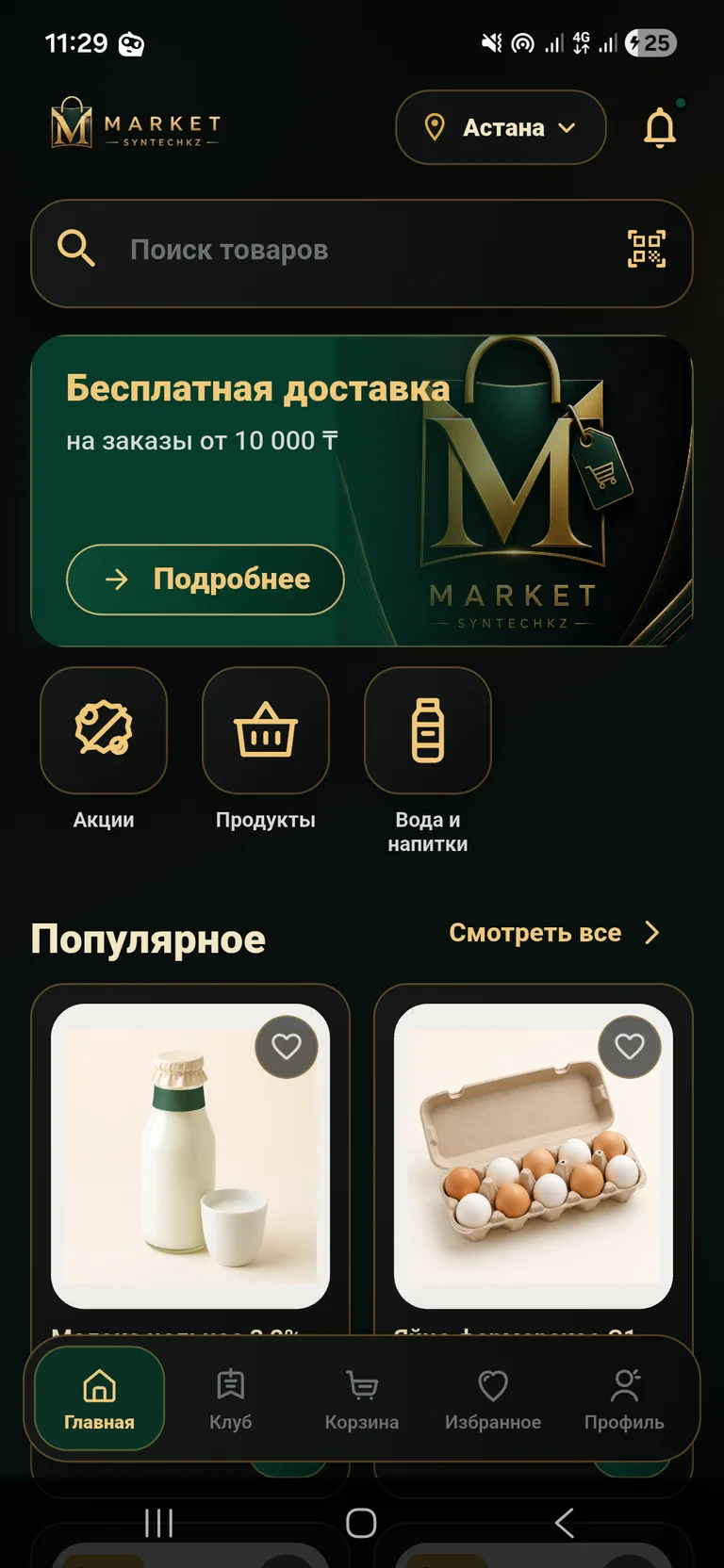
App · Grocery delivery
From choosing groceries to placing a delivery order.
A mobile store with a catalogue, club pricing, cart and order management.
View case study06 / FAQ
The core logic and interface are built with Flutter. Where necessary, we implement platform-specific capabilities with native Android or iOS modules.
If the application works with accounts, data, or business processes, a server-side API is generally required. It can be created or integrated with an existing API.
We agree on build preparation and publishing support as part of the project scope. Store accounts and their requirements remain the responsibility of the product owner.
After launch, we can maintain the API, release compatible builds, and develop the product through separately agreed stages.